

Mold is a problem that usually presents many health dangers and requires expensive repairs. People who own a house or rent an accommodation often wonder, “Will home insurance cover mold?” and whether it protects against mold damage.
It is not the most straightforward answer. Insurance policies have varying coverage for Mold depending on how the Mold is developed, the type of policy you possess, and the particular stipulations within your policy. This blog will outline the essentials of insurance claims applicable to home and renters insurance to help you understand your protective barriers and limitations.
What is Mold, and Why Should You be Concerned about it?
Mold is a type of fungus found abundantly on walls and ceilings. It is found in warm and wet environments without strong air currents. As plants grow, seeds rapidly spread, later spreading on moist surfaces. Mold grows so quickly that removal almost always requires the services of a professional.
Although certain types of Mold are relatively harmless, others can be toxic and pose serious health risks. Mold exposure can harm people with a pre-existing medical condition, children, and the elderly, and it is known to cause allergic reactions, asthma attacks, and respiratory problems. Black Mold is especially notorious for its dangerous impacts on health.
From a property standpoint, Mold is not only a cosmetic issue. Mold thrives where moisture is present and can considerably damage your home by destroying drywall, wood framing, insulation, and flooring. If not taken care of, Mold can incur different costs when repairing your home while diminishing its value.
To put things into perspective, Mold is a serious health risk and a financial burden. Homeowners and renters should proactively learn how to avert mold problems and check if their home insurance covers such damages.
Will Home Insurance Cover Mold?
Reviewing your policy documents, you may realize that mold insurance coverage is often restricted. In most cases, policies provide mold coverage only if it results from a “covered peril”, which generally consists of the following:
- Water discharge is sudden and accidental (such as burst pipes).
- Fire extinguishing water damage.
- Ice dam overflow on the roof.
- Overflow from appliances.
In these situations, your insurer might cover a claim if you promptly act and the Mold directly results from the event.
When Does Home Insurance Not Cover Mold?
Sadly, mold growth in certain situations will not be reimbursed under the insurance policy without documented evidence. Most likely, you will not receive a reimbursement if Mold stems from:
- Leaks that are slow or a lack of proper upkeep.
- Management problems with high humidity or condensation.
- Flooding. (Unless you have a separate flood insurance policy).
- Sewer backups, unless optional endorsements are added.
Insurance companies tend to consider Mold resulting from neglect or tear to be something that can be avoided; hence, it becomes ineligible for insurance-supported claims.
Does Homeowner Insurance Cover Mold Caused by Water Damage?
This is one of the most frequently asked questions by policyholders. Does homeowners insurance cover Mold if it is caused by water damage? The answer is “maybe.” It may be covered if the water damage was sudden and accidental, such as a pipe bursting or a washing machine hose bursting, and mold formation follows.
On the other hand, the claim may be denied because the Mold was caused by water seepage over time or poor ventilation. Always check the fine details of your insurance policy and consult with your insurance representative to clarify these nuances.
Does Home Insurance Cover Mold Removal?
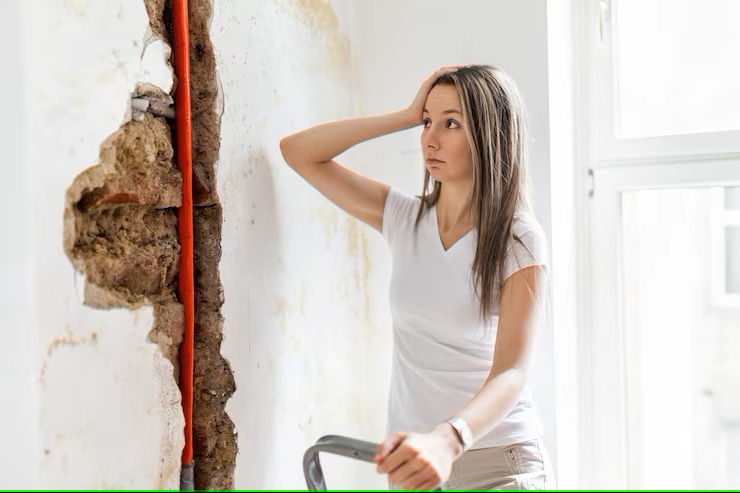
Now, it is time to discuss the cleaning part. Does home insurance cover mold removal expenses? In limited situations, yes. If the mold removal is directly related to a covered peril, your policy may help pay for the following:
- Inspection and testing
- Cleaning and sanitization
- Repairing walls and floors
- Mold remediation contractors
Your policy will likely limit the amount allocated for mold removal to $1,000 to $10,000, depending on the insurer and state laws. Purchasing additional coverage or endorsements may be an option to boost your insurance’s mold protection.
Endorsements and Riders Optional for Mold Coverage
Many insurers these days offer optional endorsements or riders for mold coverage. Typically, these riders come at a small extra cost to your policy premium but offer great financial relief should you encounter a mold problem. Optional coverages may include the following:
- Expanded mold remediation coverage.
- Backup sewer and drain protection.
- Flood insurance (usually offered as a stand-alone policy)
If you live in a mold-infested region, consult your insurance agent, who can help you adjust your coverage.
Renters Insurance Mold Coverage
There are specific coverage requirements when renting a house or an apartment, but they are no less important. Does renters insurance cover Mold? That is challenging to answer.
In general, renters insurance covers the personal property owned by the insured against destruction by named perils. If Mold is caused by an incident covered by renters insurance (like a pipe bursting in your unit) and damages your clothes, electronics, or furniture, then yes, your policy would reimburse you for such losses.
Now consider the other set of perils, which are the structural components of the building containing the unit: walls, ceilings, and plumbing, which belong to the landlord. In such situations, you would require a claim from the relevant property owner or property management company to deal with the root cause of the Mold.
Renters Insurance Plans and Mold Coverage
Most insurance covers Mold for homeowners, unlike renters. Insurers expect tenants to promptly notify them about water leaks or mold problems. These claims can also be declined if mold damage is self-inflicted or negligence is at play, such as failing to report a leak.
What Renters Should Do:
- Notify your landlord of any water-related damages or mold problems immediately.
- All communication should be captured using photos and documented. Note everything down, including written communication, notes, and snapshots.
- Ensure your renter’s insurance policy is current, and its clauses are well understood.
Best Solutions to Prevent Mold at Home
Whether you’re a homeowner or a renter, denial is your best defense against mold damage. Here are tips to reduce your risk.
- Use dehumidifiers to dry out the damp areas.
- Make sure that leaks are fixed instantly.
- Proper IV ventilation of bathrooms and kitchens.
Mold-resistant materials need to be used in the construction of highly humid places.
Proactive measures also tend to buttress your stance should you ever wish to make a mold-related insurance claim.
Claiming Insurance Coverage for Mold
To claim any insurance policy covering Mold believed to be linked to a triggered peril, it is required to follow these procedures:
- Make sure to capture all damages in the form of pictures and videos.
- Reach out to your designated insurance company without hesitation.
- Get an accredited mold inspector to evaluate the Mold to be claimed.
- Avoid further injury by controlling the water source.
- Maintain records of all inspections, repairs, communication, and other activities.
- Thorough and timely claim actions tend to be more successful.
Conclusion
Being informed about your insurance policy is essential, especially for mold damage. As is usually the case, getting home insurance for mold damage requires several conditions to be met. Being informed will go a long way in ensuring your home, health, and finances are protected. Homeowners usually have some level of coverage if an event that causes Mold is sudden and covered in their policy. On the other hand, renters will have limited coverage for their personal belongings but not for structures.
Mold-related problems should be incorporated into current policies for greater peace of mind. Instead of waiting until Mold becomes an expensive and stressful ordeal, review your insurance policy, seek guidance from your insurer, and take preventative measures to secure your property.
Frequently Asked Questions
Q1: Does your homeowners’ insurance cover mold on your property if a flood damages your house?
No, your homeowners’ insurance does not cover flood damage. If Mold accompanies flooding, you must have a flood insurance policy to address those issues.
Q2: Can you increase the mould coverage under your home insurance policy?
Many insurers offer an endorsement or rider addendum to a standard policy that increases the coverage limits for Mold. Consult your insurer for details.
Q3: Do I get relocation coverage due to Mold under renters insurance?
If your home becomes unlivable due to a peril covered by your insurance policy, you can file for reimbursement for additional living expenses.
Q4: Can a public adjuster help me with a mold claim?
Adjusters help negotiate claims with insurance companies for more complicated and extensive claims.
Q5: What if the Mold was already in the home when I moved in?
Your landlord is usually liable for any pre-existing mold issues if you rent. If you are purchasing a home, a thorough home inspection should be done to identify any such problems.



Add comment